On-page search engine optimization (SEO) explained

Our approach to on-page SEO

On-page SEO involves writing and editing engaging page copy to drive organic traffic from search engines. This is done through optimizing copy with user-intent target keyphrases and semantic keyphrases.

The Orbit team uses existing keyphrase performance data, predictive analysis and AI-guided research to optimize the pages we write.

.

User-intent keyphrases

The purpose behind a user’s search query

Semantic keyphrases

Words and phrases related to the main topic

What is needed from you?

We're here to do the heavy lifting

For the pages we write, we’ll research, write, optimize, and score your content to give you the best possible organic search results. All we need from you is:

  • Your understanding of our on-page SEO approach as outlined below
  • Confirmation that the copy is on the right track.
  • Clarification if something in your copy docs or content workbook feels off.
How much of your time is needed?

Reviewing on-page SEO efforts can be done while reviewing the copy we’ve written for your website.

Plan for this process to take roughly 30 minutes per page.

Then, you can follow our best practices on any other page you want to edit or improve.

Keep in mind that SEO is a balancing act

The keyphrase your audience searches for may not always align perfectly with your messaging or marketing strategy.

It’s important to have internal conversations to determine your priorities.

An overview of our SEO implementation

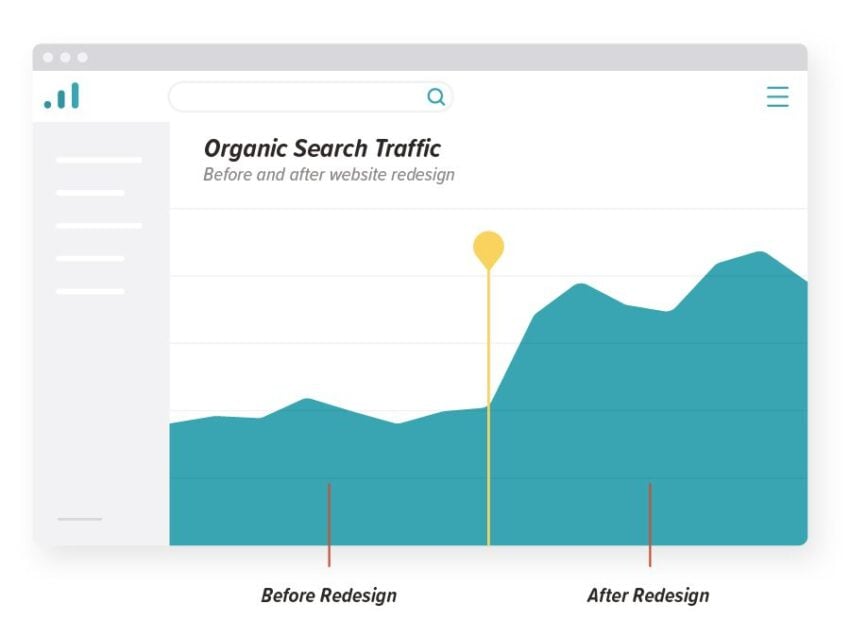
chart depicting improved organic traffic

Our organic traffic goal

Our primary goal is to enhance your existing organic results, ensuring that every SEO effort adds value without disrupting your current successes.

Here’s how we do that

  • Existing ranking pages and their keyphrases are preserved or improved upon and documented in the content workbook
  • Your website’s URL structure largely remains the same, if possible
  • The pages we’re responsible for writing include both conversion and on-page SEO best practices
  • Pages that are new or do not have existing keyphrases are assigned target keyphrases
  • Apply schema to your site’s pages and content
  • Test and remedy our code for optimal page speed performance

There’s more to SEO, though….

Generating search-optimized service and product pages is only one piece of a larger SEO puzzle

A more comprehensive content strategy is necessary to achieve successful rankings and these are your responsibilities. Incorporating these additional SEO methods will enhance our efforts, ultimately yielding results.

Off-site SEO

Orbit does not offer off-site SEO services. Here’s a great article to help your team get started on building domain authority with off-site SEO.

We can connect you with a great partner for these services, too.

Generate new relevant pages and articles

New, relevant content that is easily shared on social platforms will improve your search engine ranking results.

We can provide an SOW for additional writing services or, depending on your goals, we can introduce you to our Optimization Services.

Revise and improve old pages and articles

Google will downgrade old or outdated content, which will reduce your ability to rank. Revise or update these outdated articles and content.

We can provide an SOW for content revision services.

Internal linking

We strive to link to other relevant pages throughout our content documents and during the content entry process.

We recommend you do the same for any new content you write and/or update.

Page speed and core web vitals performance

While we test and remedy our code pages for page speed leading up to and immediately after launch, it’s essential that you continue to follow best practices to reduce page load times while managing content, images, and other digital assets in the CMS.

One more thing before we continue…

Have you noticed a decline in organic traffic since the AI Overview was introduced in Google?

With the introduction of the AI Overview in search results, it’s now more important than ever to ensure your content answers your visitors’ questions with search intent keyphrases. Here’s are two links to save and come back to later:

Learn more about AI’s impact on organic search results

Learn how to get AI mentions

It’s time to learn how we do it

We use AI to guide our SEO implementation

How we use AI for SEO

For the pages we’re writing, we utilize AI to research, analyze, and improve your content, ensuring that Orbit pages get traffic from search engines at launch.

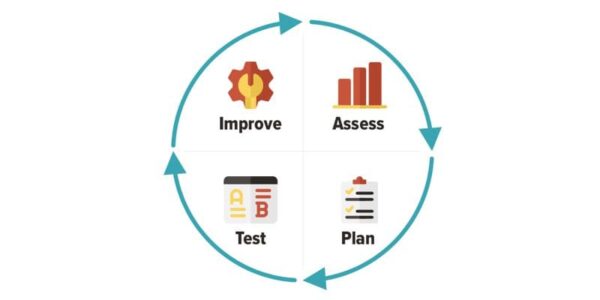
  • Score the existing page copy to see how well it is optimized for the target keyphrase and general SEO best practices
  • We use the existing page analysis as a guide for SEO improvement
  • Content is written by our skilled human writers and this is when we implement the AI-suggested semantic keyphrases and updates
  • Then we re-analyze our content using AI to ensure we hit the mark

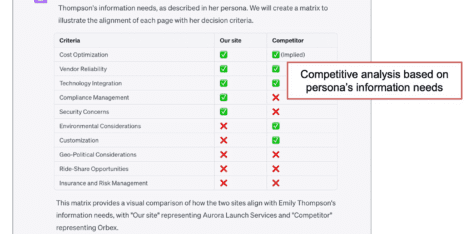
In our writing documents, you’ll see existing page analysis as well as an analysis of the updated copy, so you can see the before and after.

Andy’s step-by-step instructions for better SEO – 14:20

Score examples

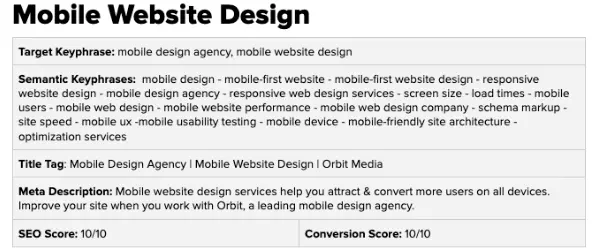
You’ll see a table like this in your content document:

A chart detailing mobile website design SEO elements, including keyphrases, semantic keyphrases, title tag, meta description, SEO score, and conversion score.

  • The “Target Keyphrase” is the identified keyphrase or keyphrases for the page. For optimal results, this keyphrase should appear in the H1, title tag, meta description, and at least 1-2 more times throughout the body copy and additional headings.
  • The “Semantic Keyphrases” are the identified phrases and words related to the target keyphrase. We will aim to include as many of these semantic keyphrases as possible.
  • Adding more words and more blocks to the page with semantic keyphrases will increase SEO value. On the other hand, if you are cutting back, re-writing, or removing large chunks of content, the likelihood of that content ranking well in search engines will be slim.
  • The SEO and Conversion scores represent how well the page structure and copy are optimized for conversion goals and SEO best practices. The higher the scores the better and our goal is to generate better scores than the former website. You can find more information and see how the scores progress from start to finish in the tabs of your copy document.
  • Since digital ink is never dry, after the site launches, we’ll regrade the pages to assess their performance possibilities post-launch. And if we identify opportunities to add more semantic keyphrases or other evidence, we’ll share those findings with you so you can continue to make improvements moving forward.

How to protect SEO while reviewing your content documents

What to do

  • Keep the target keyphrase in the H1 — It’s the primary signal for search engines and accessibility.
  • Preserve semantic keyphrases sprinkled throughout the body copy.
  • Ask us if something feels off — we’re happy to revise or clarify.
  • Use the comment or suggestion mode to flag ideas, edits, or concerns.

What NOT to do

  • Do not change or remove the H1 keyphrase — This can damage the page’s ability to rank.
  • Do not cut many blocks of content — this can weaken SEO since this is where we place the semantic keyphrases.
  • Do not completely rewrite key sections without checking for keyword impact.

Your existing site may impact the results of any on-page SEO effort

Your site’s pages have a certain authority on the web today — called Page Authority — and that impacts the difficulty of keyphrases for which you can potentially rank. We use Page Authority to help you select keyphrases for which you have a good shot of ranking.

Want to target more competitive keyphrases? Learn how to increase your domain authority.

illustration showing choosing keyphrases

SEO is a balancing act

Our SEO will only go as far as you’re willing and able to take it. In other words, any changes to our on-page SEO efforts and/or recommended content plan can result in traffic loss, missed opportunities, or declining rankings.

It is often a balancing act between your marketing strategies, internal expectations, branded language and on-page SEO. We recommend holding internal discussions to confirm how on-page SEO is managed across your organization.

And keep in mind that while we handle on-page SEO for the pages we write, achieving strong results also depends on your ongoing investment in off-page strategies, such as link building, reviews, and business listings.

A few additional notes

  • Removing keyphrases will impact page performance in search
  • There may be some pages on your website where on-page SEO is not applicable
  • Digital ink is never dry! Copy will never be perfect and can always be changed to better fit the search landscape and your customers.
  • SEO is a key part of every Orbit redesign project, but as you learned above, there’s more to it than adding keywords to pages. We offer additional writing services and and optimization services to support the ongoing improvement of your site. Talk to your PM if this is of interest to you.