Search & conversion-optimized copywriting

Our expert copywriters will transform your messaging into web copy that drives traffic and converts.

Let’s walk through how the copywriting process works at Orbit, and how your team will help us review and finalize page content.

Crafting web copy for your audience

To begin the copywriting process, our team conducts SEO research to understand how your target audience searches for your brand.

Our writers then merge your brand messaging, search-optimized keyphrases, and conversion copywriting best practices to:

  • Resonate with your audience
  • Differentiate your brand
  • Convert website visitors

The copywriting process can be broken down into five steps

  1. We research and write draft content.
  2. You review our copy and provide feedback.
  3. We make edits and deliver the revised copy.
  4. Your team makes any final adjustments.
  5. We’ll evaluate the final content and show you how the edits may have impacted search and conversion opportunities.
Hear Andy explain conversion concepts for copywriting and lead generation.

SEO & CRO

A balance of SEO and brand messaging

SEO is about the words your users use. Conversion is about emotion.

We combine these to create clear and compelling copy that converts your visitors.

Search-optimized copy is a bridge — connecting the search intent of your users with the unique point-of-vice and solution you provide. Without SEO, even the best copy simply won’t be found.

The copywriting deliverable explained

We’ll research and reference your brand identity

Stakeholder interviews and competitor research help us understand your business and audiences.

We reference your brand guidelines to help draft a web-friendly interpretation of your brand.

If you don’t have your brand tone and voice defined, that’s okay, too. We’ll draft messaging based on what we’ve learned in the discovery steps, then we’ll look to you to finalize the message in the provided Google Document.

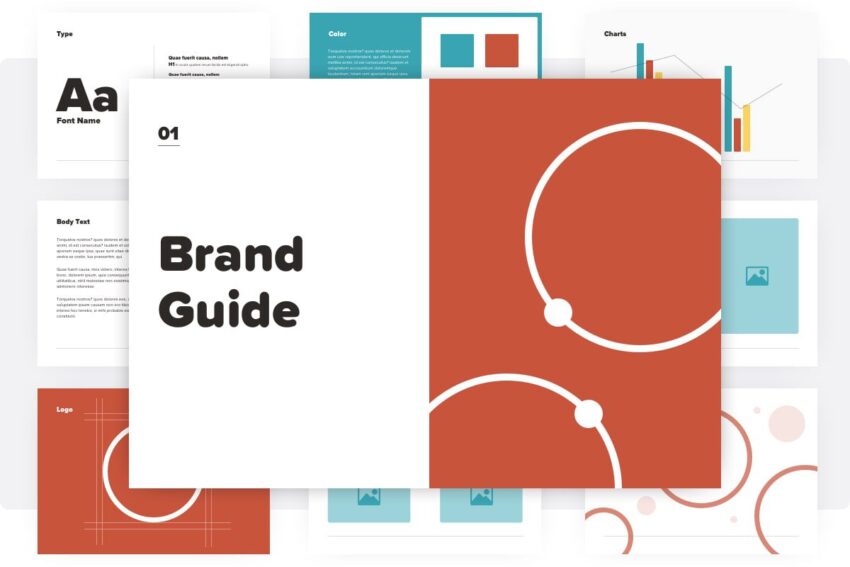
illustration of a brand guide
A webpage discussing chemical testing services with a red text box highlighting the question: "Next, ask the AI what’s missing from the perspective of the persona….

We’ll use AI to align the draft copy with your target audience

In addition to our stakeholder interviews and competitor research, we utilize AI to conduct further analysis of your target audience(s). By crafting a short bio of your ideal users, we can better target their pain points, questions, and decision criteria.

We then use this information to draft, analyze, and improve your site copy.

Note: Orbit writers use AI as a research and analysis tool, but we’ll never rely on AI to write copy.

You’ll see a visual of the draft copy

You’ll first see the copy we’ve written in the Page Layouts presentation.

This way, you can see how the messaging, SEO, and conversion strategy visually tell the full story through the Page Layouts presentation.

Conversion Guide Slide 2
illustration of copy document

You’ll be asked to review the copy in a Google Doc

It’s a great way to collaborate; you can leave edits and comments, and you can even begin editing at this point. Each doc includes:

  • The target keyphrase
  • Semantic keyphrases
  • The words with formatting (H1, H2, body, links)
  • Title tag and meta description
  • SEO and conversion scores
  • Page block suggestions

You’ll find the links to your copy docs in the Content Workbook, in the tab called “T2: Sitemap”, under the “Content Documents’ column.

Refer to the page layouts to view the visual representation of the page when reviewing the content documents.

It’s time to review the copy documents

What does SEO look like in the Google Doc?

Before you start reviewing the copy documents, we want to make you aware of our on-page SEO strategy.

We’ll document the target keyphrase and any relevant semantic keyphrases at the top of your Google Document.

A web page draft for theater website design is shown, with arrows pointing to highlighted target keyphrases in the content and a summary box listing keyphrase details.

The target keyphrase is the first text in the H1

To rank for a target keyphrase, you have to include it in the H1 — the most prominent title and header style on the page. The first text that the robots read and the first text your visitors see. This method also benefits accessibility compliance.

Body copy optimization

We’ll use the target keyphrase, secondary keyphrases and semantic keyphrases throughout the copy.

Meta data optimization

The target keyphrase is the first text in the title tag and is also used in the meta description. Your audiences see these on the search engine results page (SERP).

Links, captions, and more

On-page SEO also includes using keyphrases in your text links (which helps the page you’re linking to), your alt tags, captions, and more.

So, how do you review the copywriting documents?

The goal of this step is to ensure we are using the right language, tone, and voice of your brand. Reviewing and providing feedback generally takes no longer than 30 minutes per page.

As you’re reviewing copy, ask yourself these questions:

  • What is the goal of this page?
  • How will new content measurably impact SEO or conversion?
  • Are there specific words or phrases we should avoid?
  • Will my ideal customer understand this content or is this internal language?
  • Is the next step for the visitor obvious and easy?
  • Does the writing flow smoothly from one point to the next?

And use the tools in the Google Doc

  • Make comments for yourself and your team
  • Use the suggestion tool to request edits and make changes
  • Use comments to notate the links and/or image, video, or icon assets that should be entered with the copy for a particular block – this will ensure you optimize both Orbit’s and your content entry time on the project!
  • Begin making changes as you see fit and feel free to tag your team for assistance

A quick guide to providing helpful feedback

  • Limit your cooks: Identify 1-2 people to own the review process. This will eliminate conflicting preferences and help speed up the review process.
  • Be specific: Let your writer know what exactly needs to be adjusted, especially if more than one person from your team has provided feedback. Provide examples or suggestions of what you’re looking for.
  • Seek progress, not perfection: The writing process should focus on the bigger picture– you can always tweak some words and phrases later on.
  • Protect the keyphrase: Target and semantic keyphrases are crucial for driving organic traffic. Double-check that your edits aren’t removing any vital SEO juice.

These content documents are yours

Once we deliver these documents, they are ultimately yours to review and update! But before making substantial changes, we’re simply asking you to consider how your audience is getting to the page (i.e., search engines) and what on the page would inspire them to convert.

Learn how to give copywriting feedback

SEO and conversion scores

You may notice some SEO and conversion scores in your content documents. Throughout the copywriting process and after launch, our team uses AI to analyze and improve your site copy.

These scores represent how well the copy is targeting your ideal audience, SEO best practices, and conversation optimization best practices. These analyses are often found in different tabs or sub-tabs of the Google document.

Our team uses this information to tailor and improve your site copy, but no action is needed from your team. We will let you know if we notice an opportunity for improvement before or after launch.

A document titled "Home Page Content" displays a section labeled "Final Content" with fields for keywords, title tag, meta description, SEO score, and conversion score.

What comes next?

Once we’ve delivered our final copy docs, you can begin editing and finalizing the content in the documents. We need you to give the go-ahead on the pages that are ready for content entry.

Don’t forget to provide any new or rewritten pages ahead of time – we’ll need that content before beginning content entry. Rewritten pages that are your team’s responsibility can use the same document format as the copywriting documents we create. Work with your PM to finalize the set of pages that you’ll be rewriting so we can support you with this step.

Next, we’ll move into creating the visual elements of your website and applying design to your key pages!

A few quick notes

  • Plan for a minimum of 800 words per page.
  • Removing keyphrases will impact the page performance in search
  • Concise copy 4 lines or less converts more effectively — bulleted lists are great, too! Think of scannable content.
  • Content should start from the user’s point-of-view — not yours
  • Mapping specific images, statistics, testimonials, links, and other assets in the content documents in advance of content entry will lead to a smoother content entry effort for our team and yours
  • Talk to your PM if you have any questions or concerns about the copy delivered for your project