AI-powered
Research and strategy on your brand, competitors, and industry:
- Audience insights
- Simulated buyers
- Content grading
Trusted by hundreds of organizations, recognized with industry awards and backed by the experience of over a thousand successful launches.






A confusing or outdated website makes marketing harder than it should be.
Campaigns drive visitors who leave too soon, while sales teams hesitate to share a site that no longer reflects the company’s true value.
At the same time, leadership grows frustrated by the gap between the brand they know and the one customers see online. Instead of supporting growth, the website slows it down.
Past experiences make it hard to trust that this time will be different. The last redesign promised improvement but delivered headaches, traffic drops and a site that looked good but didn’t perform.
It’s understandable to hesitate, but the longer the site stays misaligned, the harder it becomes to recover lost visibility and rebuild internal confidence.
Research and strategy on your brand, competitors, and industry:
Websites built to be discovered by AI, complete with:
Optimizing your site content and design by identifying and creating:
Insights into your site performance across search and AI:
Design decisions are guided by audience research that reveals how people search, what they expect to find and how they move through content. That same understanding now includes how AI surfaces information and shapes what buyers see first.
Your website does not need to be the flashiest or follow the latest design trends to perform. The goal is a design that moves visitors toward action and helps them convert with clarity and confidence. This approach shapes messaging that meets customers where they are and keeps your brand visible as AI changes how discovery works.
The result is a website aligned with your brand and clear to the audiences who matter most.
Real companies have faced the same challenges you are working through.
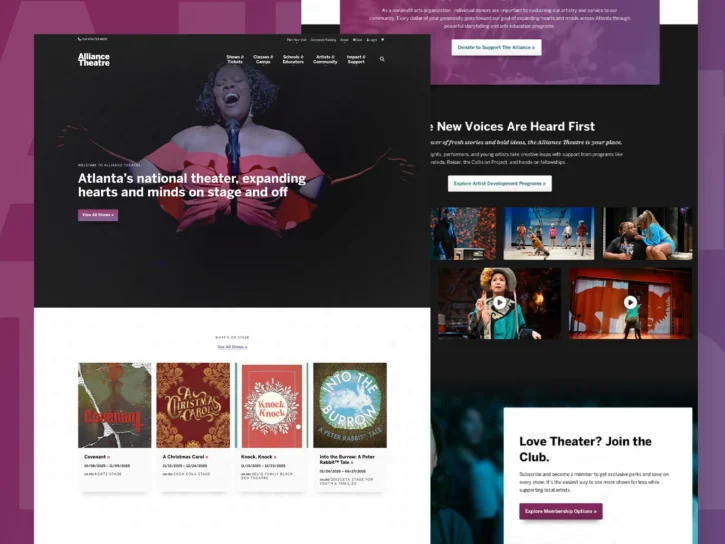
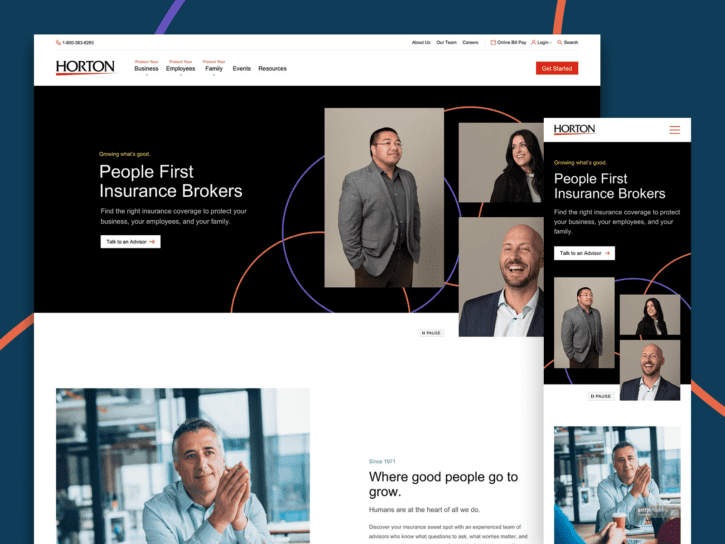
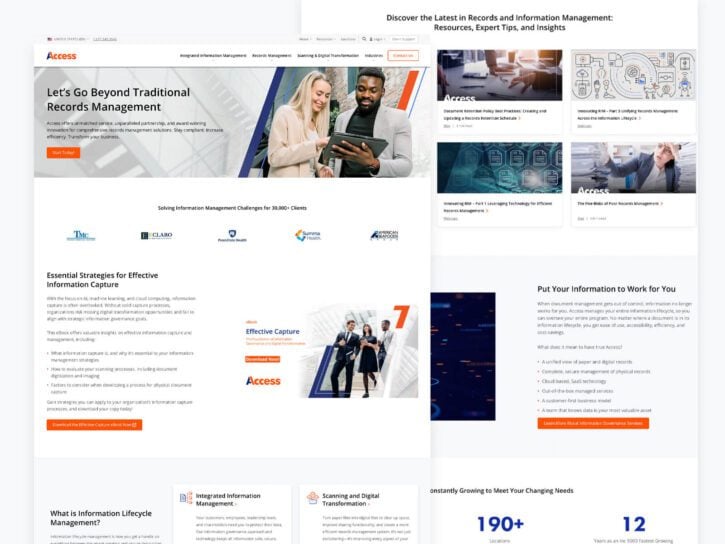
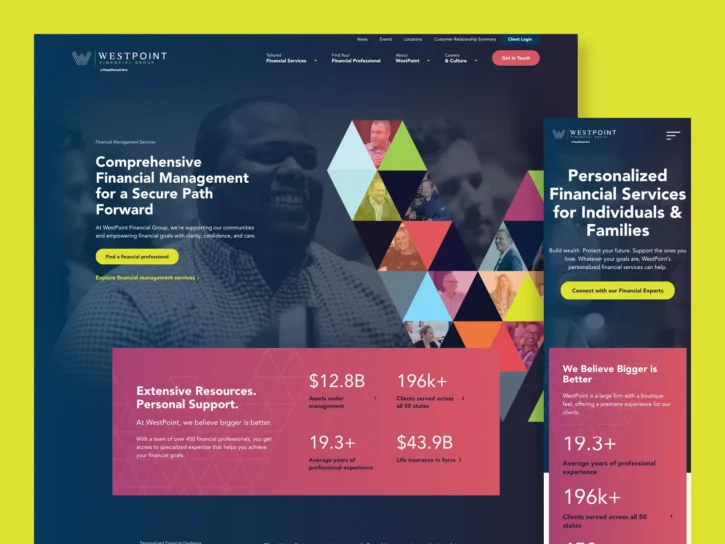
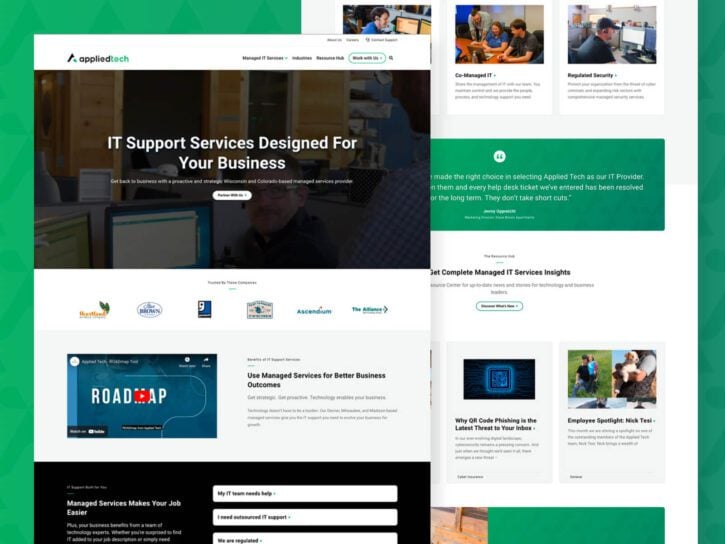
Their websites no longer reflected who they were, the message was unclear and the design was not converting. Each project below shows how design clarity improved engagement, increased visibility and created measurable business results.
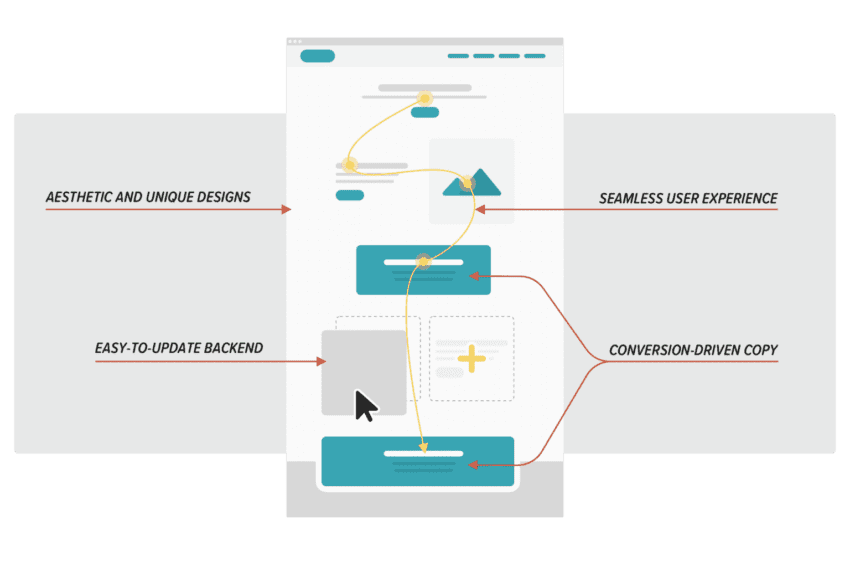
Design should earn attention and guide visitors toward action.
Work with a dedicated project manager and web strategist who combine audience research, messaging, and creative direction to ensure every design decision supports conversion. The result is a site that performs reliably and becomes a genuine marketing asset for your team.
See what a better design delivers
Schedule a discovery call to review your current website and uncover opportunities to improve clarity, conversion, and brand alignment. In 30 minutes, the team will identify what is working, what is holding progress back, and how strategic design can begin driving measurable growth.

Orbit took our website experience up a quantum leap. From design concept through performance metrics, our new site exceeded our expectations – and from the results, our customers’ as well. Beyond being the most creative and collegial partners you’ll ever find, the Orbit team brought best practices and ideas at a level we had only dreamed of.
Every project includes SEO preservation and redirect planning to protect visibility during and after launch.
Collaboration is structured and efficient. Your team provides feedback at key checkpoints while the agency manages the heavy lifting.
Yes. The goal is not to replace what works, but to evolve the design to better support clarity, consistency, and conversion.
Structured workshops and visual prototypes help align voices early, so creative decisions move forward with consensus.
Most design projects move from kickoff to launch within a clear, predefined timeline that keeps everyone on track and informed.
Audience research guides structure and messaging so each visitor can find what they need without confusion or compromise.
Design recommendations balance creativity with performance. The goal is a site that reflects the brand and drives measurable engagement.
Yes. Projects are tailored to the platform that fits your organization best, including WordPress, HubSpot, or custom frameworks.
Post-launch reviews validate performance, track engagement, and identify opportunities for ongoing optimization.
An external design agency brings specialized experience, tested processes, and unbiased perspective that lead to faster alignment and stronger results.
Every second the website stays misaligned, marketing loses ground that is harder to win back. Competitors keep improving, algorithms evolve and AI continues to change how buyers discover and evaluate brands. Acting now restores momentum, protects visibility and positions your website to perform in both search and AI-driven results.